

Defra’s BNG changes: a simple guide for small developers
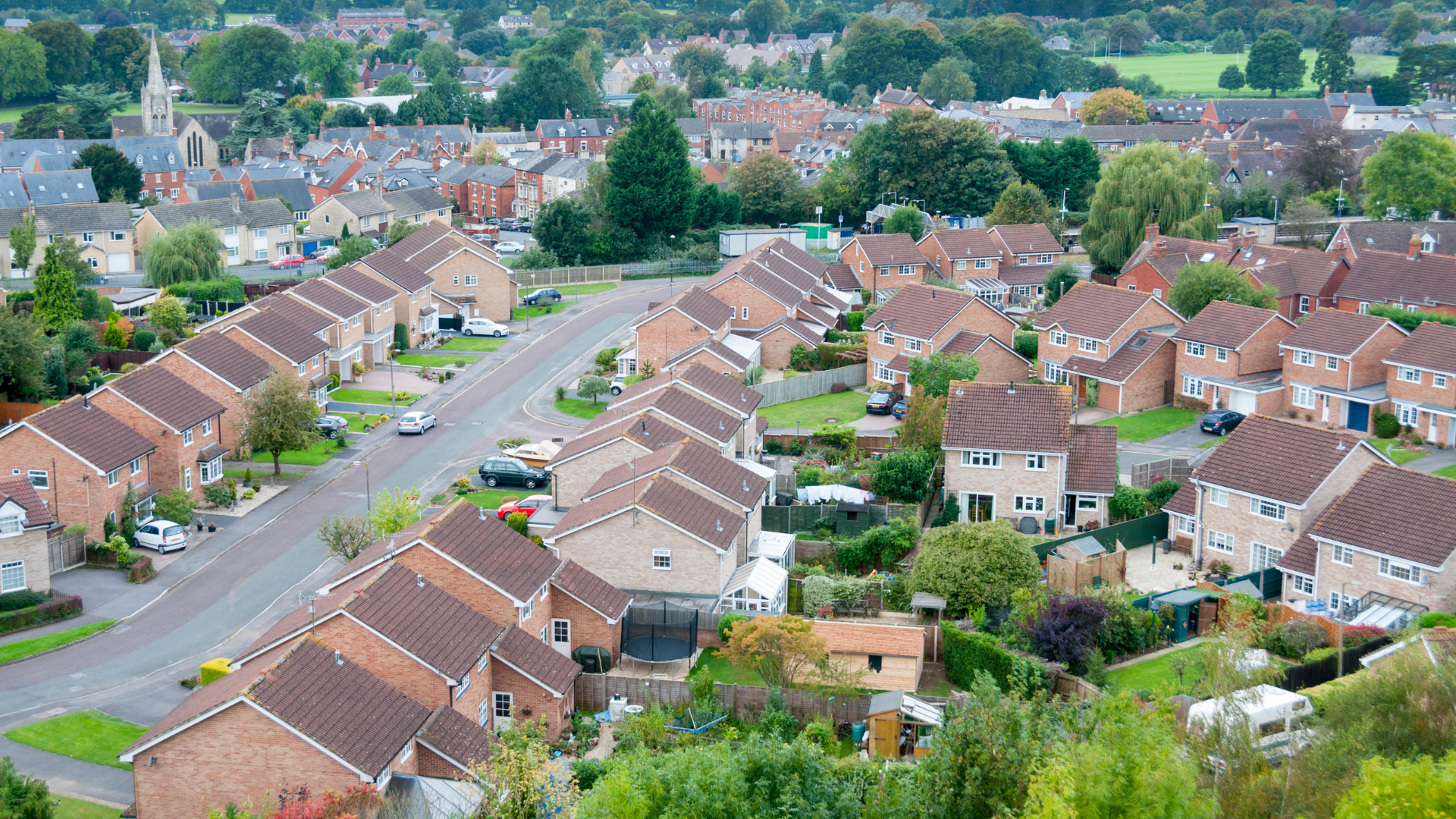
From 6 August 2026, England’s biodiversity net gain (BNG) rules became simpler.
Developers still need to check three things before assuming they are exempt: the site’s size, the habitats affected and the date the planning application was submitted.
The biggest change is a new exemption for development sites of 0.2 hectares or less - roughly half an acre. If your red-line planning boundary is no larger than this, mandatory BNG will generally not apply.
There is an important exception.
The exemption is unavailable if the development will damage an onsite priority habitat.
This could include a qualifying:
hedgerow
pond
traditional orchard
lowland meadow
deciduous woodland
open-mosaic habitat
...on previously developed land.
Not every hedge, pond or patch of woodland automatically meets the definition.
Equally, simply having a priority habitat within the site boundary does not necessarily prevent you claiming the exemption. The key question is whether your proposals will negatively affect it.
If there is any doubt, get an ecologist to check before relying on the exemption.
Temporary development has become simpler.
A development permitted for five years or less may be exempt where the whole scheme is temporary, the buildings or works will be removed, the land will be reinstated and no onsite priority habitat is harmed.
A temporary stage, construction compound or car park might qualify; a permanent project cannot be made exempt simply by calling part of it temporary.
For non-major development that remains subject to BNG - for example, many residential schemes of up to nine homes - the biodiversity gain hierarchy is now more flexible. Onsite habitat creation or enhancement and registered offsite biodiversity units have the same level of preference. In practical terms, a developer can choose an offsite solution first without having to demonstrate that onsite delivery was attempted and failed. You will still need to complete ecological surveys, calculations and the BNG process.
The previous automatic exemption for self-build and custom-build schemes has been removed. That closes the self-build route out of BNG, although these projects may still qualify for another exemption, including the new 0.2-hectare exemption.
Application timing is crucial.
The changes apply to planning applications submitted on or after 6 August 2026. Applications submitted before that date remain subject to the previous rules, even if the site is below 0.2 hectares. Submitting a fresh application might bring a project within the new exemption, but planning fees, delay and other risks should be considered first.
The proposed residential brownfield exemption is still under consideration.
Overall, we support this proportionate change. It removes unnecessary cost and administration from the smallest projects while protecting important habitats. Biodiversity Units UK is here to help developers understand whether BNG applies and find a practical solution where it does.
Where do you start?
Finding different, reputable, off-site BNG unit suppliers can take a lot of time.
That's why we exist, to find you a range of prices from the whole market, which means you get the true market price - not just what the habitat bank happens to be charging.
Our team works with over 85% of UK habitat bank suppliers - see our interactive map here - and offer matched pricing as standard. That means we scour the market for the best priced units, giving you number of supplier options - and you don't pay any more.
So why not save yourself a lot of time and hassle: Get a quote