

Get up to 4 different BNG unit supply options, from the whole of the market. A named contact in our team to give you solutions for your BNG project and get you successfully through planning.
Join over 300 leading property developers who have trusted us

















Hassle free BNG solutions
You could Google around and contact different suppliers: it’s easy enough, but time-consuming.
Maybe call a national network: one point of contact, but limited to their supply and prices.
There are online marketplaces: but who are you going to talk to if there’s an issue?
Working with Biodiversity Units UK you get an expert team of 15 behind you. The market leading BNG broker by volume of transactions.
You simply shouldn’t have to worry about new environmental compliance. You have 50 other things to juggle in the planning process.
"Negotiated a competitive price for our units and provided compliant paperwork"
Chris Caiulo, Coltham
"Assisted with every step following initial contact, providing quotation options and guidance"
Nick Wisken, Avison Young
"They found us suitable units and a solution which let us quickly discharge the Planning Conditions"
Michael Cook, Galliford Try

The best market price at no extra cost
Matched pricing with suppliers, so we take a referral fee and not a markup. Access to 220+ suppliers across 85+ of the market and 337 LPAs.

One metric submitted, and a dedicated team member curates up to four supplier options within a few hours, with a full-time team and bespoke technology behind them.
Speed, with no extra legwork for you

Our optional BNG Certainty service means the paperwork, negotiations, and comms are handled throughout the planning process. From BGP to LPA negotiation, and contract reviews, an end-to-end service.
Enjoy some planning peace of mind
Our network covers more than 85% of current BNG unit suppliers
Wherever you’re building, we’ve already done the legwork - mapping habitat banks, understanding Local Planning Authority preferences, and keeping on top of new supply as it comes online.
220+ suppliers
All 337 LPAs
So instead of ringing round piecing together a solution, just get in touch. We find you a range of available options and with Matched Pricing, you don't pay any more.
Since 2024 we have been publishing a Quarterly BNG Pricing & Insights Report. This means we are uniquely placed to successfully handle the commercial side of your Biodiversity Net Gain solution.
One contact, Matched Pricing and planning certainty
Working with us is simple:
Send us your metric
Get a range of supply options, fast
Then choose an optional service to finalise the planning process with peace of mind
Our whole-of-market sourcing service comes at no cost to you because we offer Matched Pricing with our suppliers. They give us an introductory fee once the transaction completes.
You get a named contact to speak to throughout the process, with expertise in planning compliance as well as price.
Get your BNG supply options today.
01
Share your requirements
Tell us what BNG units your project needs using our form or calculator.
ONE SIMPLE BRIEF
02
We find your best options
At no cost we search 220+ suppliers (over 85% of the market) to negotiate up to 4 options for you.
FREE SOURCING SERVICE
03
We handle the transaction
Choose BNG Certainty and we manage everything through to planning compliance.
OPTIONAL PAID SERVICE

Jen is our Operations Director and leads our transactions team

Will is our Commercial Director and leads our team of brokers
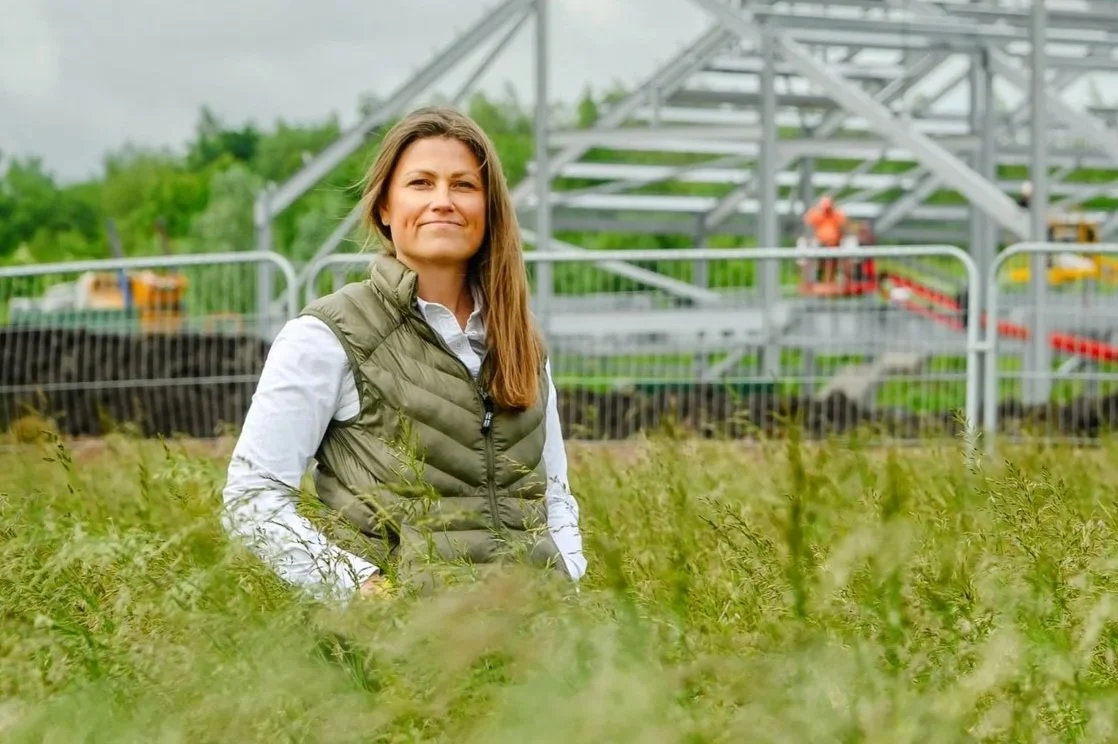
Liz is our Partnerships Director building long term relationships

Bindi is our Lead Habitat Specialist and checks your metric
Our Product
Need a quick BNG cost estimate or support with the whole buying process? Compare our services to find the right option for your development project.
BNG Core
No cost
With free, you get:
✓ Matched pricing with Habitat Banks
✓ Range of supplier options
✓ Direct introduction to supplier
We take a commission from suppliers to enable matched pricing.
BNG Certainty
+5% {subject to negotiation}
With a 5% additional fee, you get:
✓ Matched pricing with Habitat Banks
✓ Further negotiation of commercial terms on your behalf
✓ Plan compliant documentation for LPA
✓ Biodiversity game plan (BGP) creation
✓ BNG condition discharge support
✓ Liaison with ecologist, planner, and architect
✓ LPA negotiations and compliance queries
✓ Habitat bank legal contract review and completion management
✓ End-to-end process oversight - nothing gets missed
✓ Experienced support if complications arise
✓ Independent advisory on Habitat bank legal contracts

The BNG Pricing Report
Published since 2024 our quarterly Pricing Report is the only transparent source of off-site unit pricing in the UK.
The BNG Price Calculator
Instantly understand your off-site BNG unit costs
Make faster, better-informed BNG decisions. Powered by England’s biggest pricing dataset. Free to use.

Real pricing data
85% of the available market
220+ Habitat Banks
Any development in England


FAQs for Developers
Understanding BNG
BNG is an approach to development that leaves habitats for wildlife in a measurably better state than before. Developers achieve this by retaining, improving or creating habitats, with the change measured in biodiversity units.
1
What is Biodiversity Net Gain (BNG)?
Most developments requiring planning permission in England must meet mandatory BNG requirements unless an exemption or transitional arrangement applies. Your application date, development type and site characteristics determine whether your scheme is covered.
2
Does BNG apply to my development?
The statutory minimum is a 10% increase in biodiversity value compared with the site’s baseline. This is measured in BNG units, rather than simply the amount of green space. Check whether applicable local planning policy requires a higher percentage. Understanding BNG.
How much biodiversity gain does my development need to achieve?
3
Which developments are exempt from BNG?
4
Exemptions include householder applications, qualifying developments affecting very small amounts of habitat, certain temporary developments and development under permitted development rights. For applications made from Aug 6, 2026, sites of 0.2 hectares or less can also qualify. Some exemptions do not apply where priority habitat is affected, so eligibility needs checking carefully.
Does BNG apply to small sites and brownfield developments?
5
It can. Small developments are not automatically exempt, although qualifying applications on sites of 0.2 hectares or less may be. Brownfield status alone does not provide an exemption, as previously developed land can support valuable habitats. Government exemption guidance.
Does the same mandatory BNG requirement apply across the UK?
6
No. The mandatory framework described here applies to England. Developments in Scotland, Wales and Northern Ireland must follow their respective planning policies and environmental requirements. Scope of England’s BNG framework.
Assessments and Planning
Start during site selection and feasibility, before fixing your layout. Early assessment helps identify valuable habitats, compare design options and budget for any off-site units required. Planning guidance.
When should I start considering BNG?
1
Do I need an ecologist to assess my site?
2
For most schemes, a suitably competent ecologist should survey the habitats and complete the assessment. Eligible developments using the Small Sites Metric can use another competent person with the necessary knowledge of the site and its habitats
Where can I find a BNG-experienced ecologist?
3
Our Ecologists for BNG Directory is a free regional directory designed to help developers find vetted ecologists with BNG experience. Your ecologist should advise on the survey, metric and the units your project actually needs.
How is my site’s existing biodiversity value measured?
4
A habitat survey records the habitats within the development’s red line boundary. Their type, area or length, condition and strategic significance are entered into the relevant metric to calculate the baseline biodiversity units.
What is the statutory biodiversity metric, and when can I use the Small Sites Metric?
5
The statutory biodiversity metric is the official method for calculating habitat losses and gains. The Small Sites Metric is a simplified tool for eligible minor developments, subject to additional ecological restrictions. Being a small development does not automatically make it suitable. Metric guidance.
For a scheme subject to BNG, the minimum information includes the baseline biodiversity value, completed metric calculation and a habitat plan. You must also address relevant habitat degradation and identify irreplaceable habitats. Check the council’s validation requirements for additional information.
What BNG information must I submit with my planning application?
6
It explains how the approved development will achieve its BNG requirement, including on-site gains, registered off-site gains and any statutory credits. It must be formally approved after planning permission is granted and before development starts or before occupation, depending on the wording of your condition.
What is a Biodiversity Gain Plan, and when does it need approval?
7
For development subject to the biodiversity gain condition, you must obtain approval of the Biodiversity Gain Plan before commencing development. Phased schemes have additional requirements for overall and phase plans.
Can I start construction before my BNG requirements are approved?
8
BNG operates alongside other ecological duties. Achieving the required gain does not remove obligations relating to protected species, designated sites or necessary licences. These must also be addressed in your assessment and design. Planning and approval guidance.
How does BNG relate to protected species and other ecological requirements?
9
Delivering biodiversity gain
Can I meet my BNG requirements entirely within my development site?
1
Yes, if retaining, enhancing and creating habitats within the red line boundary produces sufficient units and meets the metric’s rules. Your proposals must also be practical to deliver and maintain.
2
Can landscaping, green roofs and sustainable drainage features contribute to BNG?
Yes, where they provide habitats recognised by the metric. Their contribution depends on their design, extent and achievable condition. Standard ornamental landscaping may contribute less than carefully designed wildlife habitats. On-site guidance.
What happens if I cannot achieve enough biodiversity gain on-site?
3
You can use eligible off-site gains to address the shortfall. Most developments must follow the biodiversity gain hierarchy, prioritising avoidance and on-site options. Since Aug 6, 2026, non-exempt minor developments can consider on-site and off-site delivery together. Statutory credits remain a fallback option. Delivery options.
What is on-site BNG? What qualifies?
4
On-site BNG is biodiversity retained, enhanced or created within the red line boundary of the development. Habitats only count if they are recognised and entered correctly in the statutory biodiversity metric. This can include retained habitats, new or enhanced grassland, hedgerows, trees, ponds, green roofs and other qualifying habitats. Significant on-site enhancements must normally be secured and maintained for at least 30 years. Land outside the red line is off-site, even if the developer owns it. Government on-site BNG guidance.
Think of it as the order in which BNG options should be considered. For major development, first avoid or reduce impacts to medium, high and very high distinctiveness habitats; then prioritise enhancing existing on-site habitat, creating new on-site habitat, using registered off-site gains, and finally statutory biodiversity credits. Under the current rules for qualifying minor development, on-site and off-site delivery can be considered at the same level of preference; statutory credits still come last. Government BNG guidance.
5
What is the biodiversity gain hierarchy?
How will the biodiversity gain hierarchy affect my project?
6
For a major scheme, it can influence layout, design, cost and the evidence you need to show the LPA. If valuable habitat can reasonably be retained, you should not assume you can simply remove it and buy units elsewhere. Test the hierarchy early with your ecologist, keep a clear record of the options considered, and identify any likely off-site shortfall before the design is fixed. Minor developments now have more flexibility to go off-site earlier. Government BNG guidance.
What is the Spatial Risk Multiplier?
7
The Spatial Risk Multiplier (SRM) reduces the value of off-site gains that are farther from the development. For area habitats and hedgerows, units within the same Local Planning Authority or National Character Area score 1.0; units in a neighbouring LPA or NCA score 0.75; units further away score 0.5. So a more distant unit may mean you need to buy more units to achieve the same result. Watercourses use catchment boundaries instead. Statutory biodiversity metric user guide.
Can I use other land I own to deliver BNG?
8
Yes. Land outside your planning application’s red line boundary counts as off-site, even if you own it or it sits within a blue line boundary. Gains on that land must meet the off-site legal, registration and allocation requirements.
What are off-site biodiversity units, and how do I buy them?
9
They represent habitat improvements outside your development boundary. You can buy them from landowners, habitat banks or through brokers. The gain site must be registered and the units allocated to your development before your Biodiversity Gain Plan can be approved. Biodiversity Units UK can source supplier options from your metric and introduce you to the selected provider.
Do off-site biodiversity units need to be located near my development?
10
They can come from elsewhere in England, but location affects their value to your scheme. The metric’s spatial risk multiplier can mean that more distant gains require additional units. Off-site guidance.
What is the difference between biodiversity units and statutory biodiversity credits?
11
Off-site units are purchased through the private market and linked to specific habitat improvements. Statutory credits are purchased from the government where the applicable requirements are met. They are generally a last resort, with prices designed to encourage delivery through other routes. Statutory credit guidance.
Buying and securing biodiversity units
How many biodiversity units will I need to buy?
1
Your metric calculation identifies the shortfall remaining after accounting for habitat losses and on-site gains. The habitat types and location of the proposed off-site gains also affect your purchase requirement. There is no fixed number of units per hectare. Metric guidance.
How can I check that off-site units are suitable for my development?
2
Ask your ecologist to check the habitat type, quantity, location and metric trading rules. Confirm that the gains are legally secured, registered and available for allocation to your scheme. A purchase receipt alone is insufficient. When sourcing through Biodiversity Units UK, share the proposed options with your ecologist so technical suitability is confirmed before purchase.
Do I need to buy biodiversity units before submitting my planning application?
3
No. You can purchase units before or after applying for permission however the units cannot be allocated without a planning decision notice. Your application should nevertheless demonstrate a credible BNG approach. Off-site gains must be registered and allocated before your Biodiversity Gain Plan can be approved.
What documents should I receive when buying off-site biodiversity units?
4
Obtain a purchase agreement identifying the units, price and allocation responsibilities, alongside the gain site registration number and evidence of allocation. Request supporting habitat and management information needed for your Biodiversity Gain Plan. Document names and packages vary between suppliers. If you choose BNG Certainty, Biodiversity Units UK can coordinate the documentation with your project team. Agree the scope and who will obtain each item before instructing the service. Purchase and allocation guidance.
Some suppliers offer reservations or option agreements. Check the reservation period, deposit, refund terms and what happens if permission is refused or your requirements change. There is no universal deposit percentage or reservation period. Biodiversity Units UK can help identify reservation options with suppliers; the terms should be confirmed for your chosen supply.
Can I reserve biodiversity units while waiting for planning permission?
5
What information should I provide to obtain a quote for biodiversity units?
6
Provide your completed biodiversity metric, development location and anticipated planning and construction timetable. Explain whether the design is final or your requirements may change. This helps suppliers identify suitable units and availability. You can share this information with Biodiversity Units UK as a single sourcing brief, with a named contact coordinating supplier options. Biodiversity Units UK service information.
How can Biodiversity Units UK help me find suitable units?
7
Share your completed metric, site location and timetable. Biodiversity Units UK searches across suppliers and presents up to four supply options, depending on availability and fit. You have a named contact to coordinate the enquiry. Your ecologist should confirm that the chosen package meets the development’s requirements.
Is there a fee for Biodiversity Units UK to source units?
8
There is no client fee for the BNG Core sourcing service. Suppliers pay us a commission under its matched-pricing model. Optional BNG Certainty support carries a separate fee. Confirm the unit price, included services and any additional charges in the proposal.
What is the difference between BNG Core and BNG Certainty?
9
BNG Core covers sourcing supplier options and introducing you to the selected supplier. You and your advisers then manage the transaction and compliance process. BNG Certainty adds paid support with further negotiation, documentation, Biodiversity Gain Plan preparation, project team and council liaison, contract coordination and condition discharge. Agree the scope and fee before instruction.
Does Biodiversity Units UK own the habitats supplying the units?
10
No. Biodiversity Units UK acts as a marketplace, connecting buyers with habitat banks and other suppliers. The supplier’s legal arrangements secure habitat delivery and management. Check the purchase documents to understand the contracting parties and their responsibilities.
Do on-site biodiversity gains need to be registered on the national register?
11
No. The national Biodiversity Gain Sites Register is for off-site gains. On-site gains are addressed through your approved Biodiversity Gain Plan, with significant enhancements secured through appropriate conditions or legal agreements. On-site guidance.
How long does it take to buy and transact on off-site BNG units?
12
The commercial purchase can be completed in a few days where your metric is clear, suitable units are available, the gain site is ready and the buyer and supplier can move quickly. The important caveat is that buying units is only part of the compliance process. Units cannot be formally allocated to a development until the relevant planning decision exists. Natural England allows up to six weeks to determine an allocation application, and the LPA normally has eight weeks to determine the Biodiversity Gain Plan. Rare habitats, legal issues, design changes or a gain site that still needs registration can add time. Natural England allocation guidance. Biodiversity Gain Plan guidance.
Costs and timescales
How much does BNG cost, and what affects the price?
1
Costs depend on the habitat baseline, proposed losses, on-site opportunities and any off-site shortfall. Private unit prices are negotiated with suppliers; government credit prices are published separately. Biodiversity Units UK’s BNG Price Calculator can support early budgeting, while its BNG Pricing Report provides market context. A project-specific quotation is still needed. Offsite purchases and statutory credit prices.
What should I include in my BNG budget?
2
Allow for surveys, calculations, design advice, habitat works and unit purchases. Include relevant legal, registration and council fees, plus long-term management, monitoring and reporting. Budgeting only for planting or purchasing units can miss ongoing commitments. On-site delivery guidance.
How long do BNG assessments, unit purchases and approvals take?
3
Timescales depend on survey needs, design complexity, unit availability and legal arrangements. The normal determination period for a Biodiversity Gain Plan is eight weeks, unless a different period is agreed. Allow time for queries and revisions.
How can I reduce BNG costs and avoid planning delays?
4
Assess habitats early, retain valuable features and compare layouts before committing to a design. Use realistic habitat targets, establish any unit shortfall promptly and discuss your approach with the council. Where off-site units are needed, Biodiversity Units UK can help compare supply options early, alongside your ecologist and planning adviser. Planning guidance.
Where can I get a quick BNG unit budget for my design or development project?
5
Use our free BNG Price Calculator. Upload your statutory biodiversity metric and it gives you a low, medium and high market estimate in seconds, so you can test budgets and design options before going out for live quotes. It is powered by the nationwide pricing dataset behind our quarterly BNG Pricing Report — the only UK-wide BNG price analysis of its kind — which we have published since 2024. Treat the result as an early budget rather than a supplier quote.
What price should I expect to pay for off-site BNG units?
6
There is no single market price per BNG unit. Price varies by habitat type and distinctiveness, development and gain-site location, local scarcity, volume and commercial terms. A common grassland unit can therefore price very differently from a scarce watercourse or priority habitat unit. Use our BNG Pricing Report for market benchmarks and the BNG Price Calculator for a project-specific budget range, then get live supplier quotes before committing..
Long-term responsibilities
How long must BNG habitats be maintained?
1
Significant on-site enhancements and off-site gains must be secured for at least 30 years. The start date depends on the delivery route and relevant condition or agreement.
Who is responsible for managing and monitoring the habitat banks?
2
Responsibilities should be clearly identified in the conditions, legal agreement and habitat management plan. Appointing a contractor does not automatically transfer legal responsibility. For purchased off-site gains, the gain site landowner is responsible under the arrangements securing those gains. Legal agreement guidance.
What legal agreements are needed to secure biodiversity gain?
3
Off-site gains require a section 106 planning obligation or conservation covenant. Significant on-site enhancements can be secured through planning conditions, a planning obligation or a conservation covenant, depending on the scheme. Planning guidance.
What happens if the habitats fail to achieve the agreed biodiversity gain?
4
Management plans and legal arrangements should address corrective action if habitats miss their targets. Failure to meet secured obligations can lead to enforcement by the council or responsible body. Management and monitoring guidance.
What happens to BNG obligations if I sell the site or completed development?
5
Selling does not automatically end the obligations. Conditions and legal agreements can continue to bind the land and subsequent owners. Sale documents should explain ongoing duties and any retained developer liability.
Will I need to update my BNG assessment if my development plans change?
6
Potentially. Changes to layout, habitat losses or landscaping can alter your calculations and delivery arrangements. Review revisions with your ecologist and council to establish whether updated calculations, plans or approvals are required. Planning guidance.