

NSIPs and BNG: A Significant Step
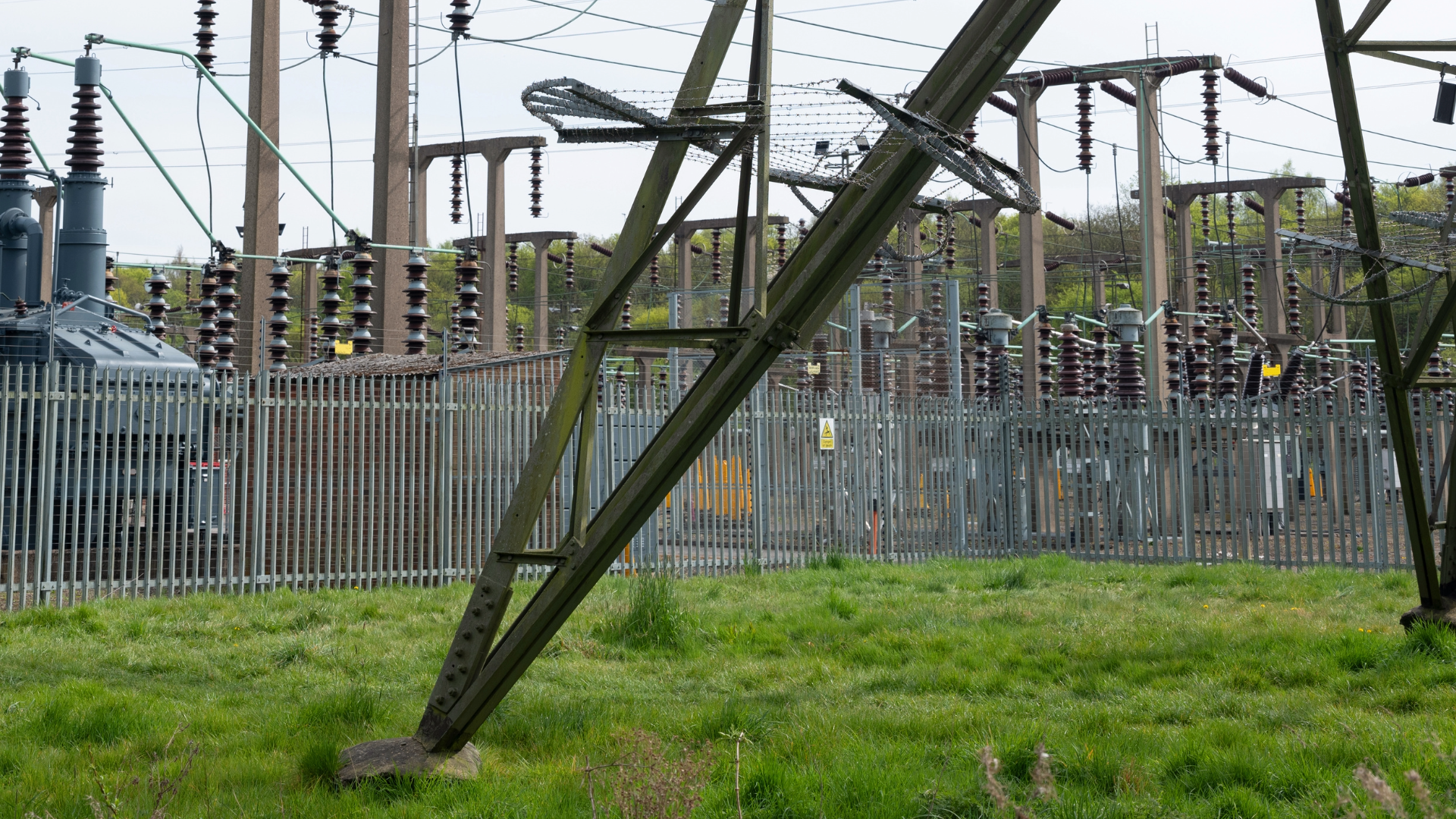
From May 2026, NSIPs - Nationally Significant Infrastructure Projects - will become subject to mandatory BNG requirements. This encompasses developments like motorways, major energy projects and other large-scale infrastructure.
A Big Step Forward
This is a significant development for nature conservation, due to the size and impact of these projects.
It's also beneficial for infrastructure projects themselves, as BNG removes environmental ambiguity through the planning process. A core benefit of the BNG legislation.
We've had numerous NSIP projects approach us for cost assessments and feasibility studies. Many are in early stages - three, five, or ten years in development - but all will fall under BNG requirements and are starting to have to understand the requirements.
The Scale and Complexity
NSIPs will generate substantial onsite BNG and offsite unit requirements.
The key challenge is geographical complexity - these projects often traverse multiple Natural Capital Areas (NCAs), Local Planning Authorities (LPAs), counties and regions. This represents a challenge to secure different suppliers and off-site BNG solutions.
Add to this geographic challenge, we are seeing certain habitat requirements that are difficult to meet, so you might have habitat banks in the right areas, but those habitat banks may not be able to supply the correct habitat types.
With access to 85% of available supply across England, we have been able to assemble a tapestry of habitat banks for our clients. These can deliver the appropriate habitat types in the correct locations along infrastructure routes.
A New Phase
This represents a significant evolution in BNG implementation. The scale and complexity will drive innovation in how offsite solutions are structured and delivered. We look forward to the challenge.
Working on an NSIP project? Our team specialises in complex, multi-region BNG requirements.
Get in touch: info@biodiversityunits.com | 0203 105 0776