

BNG Advice for Developers: Navigating Biodiversity Net Gain with Confidence

When mandatory Biodiversity Net Gain landed in 2024, most developers had more questions than answers.
The rules were new, the costs were uncertain, and the supply market was still finding its feet.
Two years on, the process is clearer - but BNG still catches developers out when it hasn’t been planned for properly. This guide sets out the practical BNG advice for developers that makes the difference between a smooth process and an expensive delay.
What BNG Actually Requires of You
The Environment Act 2021 introduced mandatory Biodiversity Net Gain for developments in England. It came into force for major developments in February 2024 and for small sites in April 2024.
In practice, most developers must:
Achieve at least 10% net gain in biodiversity, measured using the statutory DEFRA Biodiversity Metric
Submit a Biodiversity Gain Plan for approval by the Local Planning Authority - this is a post-permission requirement that must be approved before development can commence
Secure habitat enhancement for a minimum of 30 years through appropriate legal agreements
Miss any of these steps and your project stalls - typically not during the planning application, but at exactly the point you’re ready to start on site.
5 Pieces of BNG Advice for Developers
1. Build BNG into Your Project Timeline Early
This is where many developers get caught out. The Biodiversity Gain Plan is submitted after planning permission is granted - but it must be approved before you break ground. There’s no grace period.
Start thinking about BNG at site acquisition. Modelling your biodiversity baseline and likely unit requirements early means no unpleasant surprises when the clock is running.
2. Bring an Ecologist in Early
BNG calculations are built on habitat surveys and the DEFRA Biodiversity Metric.
An ecologist engaged at the design stage - rather than after planning - can:
Establish an accurate biodiversity baseline for the site
Identify habitats that can be retained or enhanced within the red line
Give you an early read on how many off-site units you’ll need to source
Help minimise procurement costs before they’re locked in
Early ecological input can make a real difference to your overall BNG budget.
3. Maximise On-Site Gains First
The biodiversity gain hierarchy requires developers to maximise on-site delivery before turning to off-site units. Beyond the regulatory requirement, there’s a commercial logic: every unit you can achieve on site is one you don’t need to buy.
Practical on-site options worth exploring include:
Retaining and improving existing hedgerows, grassland, and watercourses
Creating wildflower areas or native planting schemes
Incorporating biodiversity features such as bird boxes, bat bricks, and wildlife corridors
Strong on-site biodiversity design also tends to strengthen planning cases and contribute positively to placemaking.
4. Understand Your Off-Site Options Before You Need Them
Where on-site gains aren’t sufficient to deliver the full 10%, you’ll need to source off-site biodiversity units from a registered habitat bank. This isn’t a simple procurement - there are rules:
Units typically need to come from within the same or adjacent Local Planning Authority area, or be aligned with local nature recovery strategies
Habitat types must match what’s been lost or degraded on site
All off-site units must be registered on the Natural England BNG register
The biodiversity unit market has grown quickly — there are now over 165 registered habitat banks across England.
But supply isn’t uniform, prices vary significantly by region and habitat type, and not every unit will be eligible for your specific project. Informed BNG advice for developers means knowing where to look and what to look for.
5. Treat Statutory Credits as a Genuine Last Resort
If you genuinely cannot deliver the required 10% through on-site or off-site routes, statutory biodiversity credits are available from government. But they’re deliberately priced above the market rate - that’s by design, to encourage use of the private habitat bank market.
Using statutory credits should be a last resort, not a procurement shortcut. Developers who’ve planned their BNG strategy properly should rarely need to go down this route.
The 30-Year Obligation
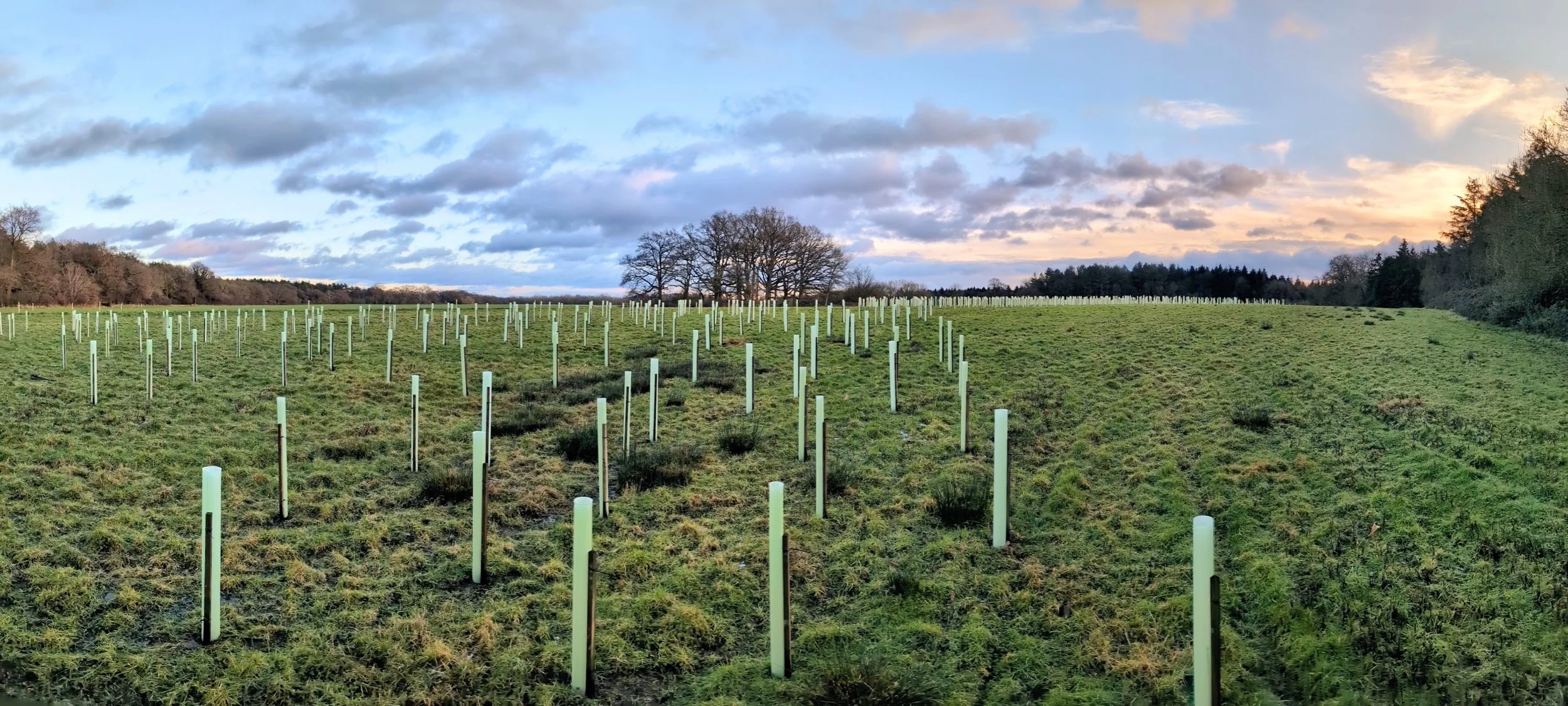
BNG isn’t a one-time transaction. Habitat enhancement must be maintained for a minimum of 30 years, secured through a planning condition, Section 106 agreement, or conservation covenant.
If you’re delivering gains on site, your Habitat Management and Monitoring Plan (HMMP) needs to reflect this commitment. If you’re purchasing off-site units, the habitat bank takes on that obligation - but you should have confidence in the long-term viability of whoever you’re buying from.
Building these long-term costs and obligations into financial modelling early is essential. They’re not optional and they don’t go away after practical completion.
Getting Off-Site Procurement Right
Off-site procurement is where many developers leave money on the table — or worse, secure units that don’t meet their LPA’s requirements and have to start again.
The most useful biodiversity net gain for developers support in this area includes:
Access to a broad range of habitat banks to compare supply options side by side
Pricing intelligence that reflects real market rates, not indicative figures
Clear guidance on which unit types your specific LPA is likely to accept
Market rates vary - sometimes substantially - across habitat types, regions, and suppliers. Developers who approach procurement with good market intelligence consistently get better outcomes than those who go to a single supplier.
BNG as a Planning Asset, Not Just a Compliance Cost
Done well, Biodiversity Net Gain for developers isn’t just a regulatory box to tick. Schemes that incorporate ecological design thoughtfully tend to perform better on placemaking, neighbourhood attractiveness, and ESG credentials.
The developers treating BNG as a strategic consideration - rather than a last-minute obligation bolted onto an application - are building resilience into their projects as requirements continue to evolve.
Working on a Project Now?
Biodiversity Units UK provides whole-of-market access to over 165 habitat banks, alongside in-house BNG specialists and transparent pricing data. Whether you need to source units quickly or want to plan BNG into your scheme from day one, we can help.
Get a tailored quote, or download our BNG Pricing Report for current market data.